

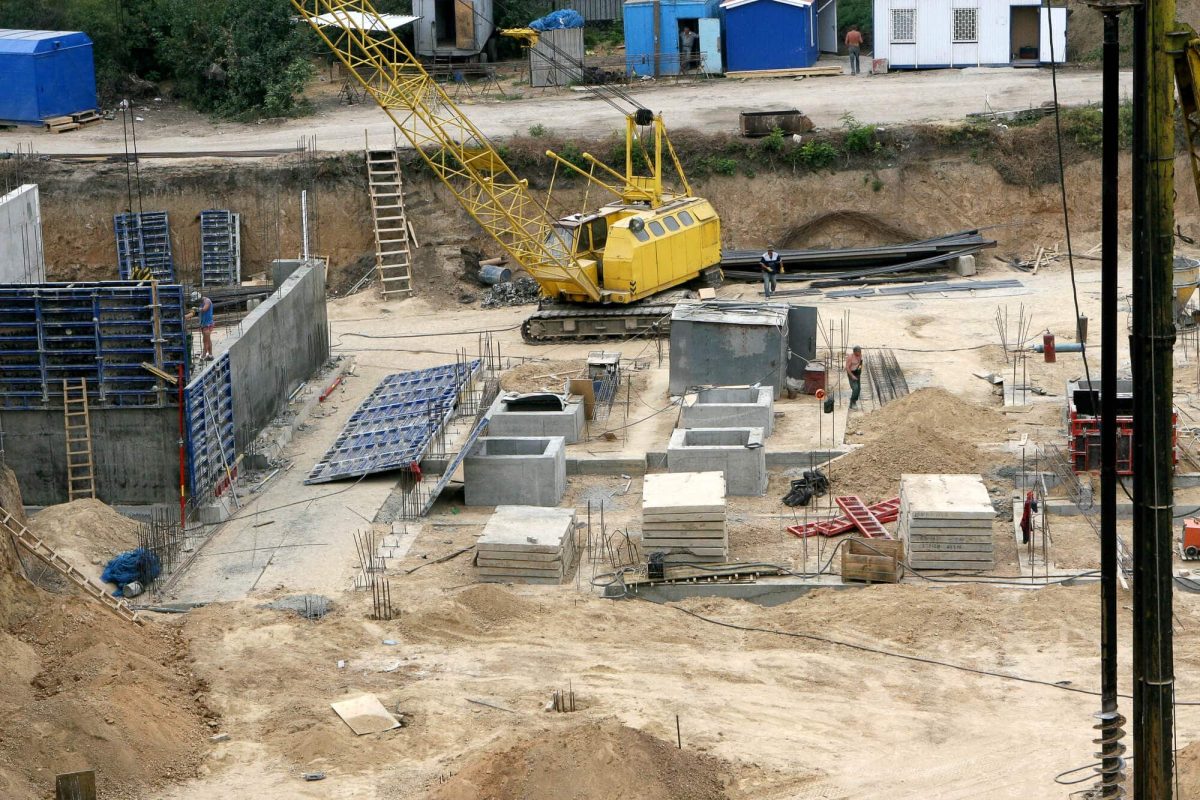
The Role of Engineering in Commercial Foundation Design and Construction
- Big Easy Concrete
- September 3, 2025
Engineers turn designs into sturdy, stylish buildings that improve our cities. They mix skill and creativity to ensure these structures are safe and fit their surroundings.
Big Easy Concrete is here for reliable foundation work, ensuring your project’s success with high-quality design and construction. Partner with us to value your project and build something lasting. Reach out for a consultation today!
Basics of Foundation Engineering
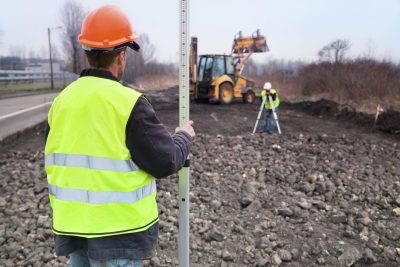
Foundation engineering is key in civil engineering as it ensures buildings have strong bases. It includes checking the soil, figuring out how much weight the ground can hold, and using design rules to make sure structures are stable and durable. The methods and materials used depend on the location, weather, and what the building needs to be safe and steady.
-
Fundamental Principles
Engineers know that strong building design is a must to handle things like earthquakes and floods. They follow local rules closely to avoid legal and safety problems. Using their skills, they make sure buildings are safe and last long by tackling future issues head-on.
-
Importance in Construction
In construction, engineering is key to making sure buildings are strong and last long. Engineers work to keep costs low but maintain quality, picking materials that are durable and functional. Their work doesn’t just stop after the building is up; they plan carefully so the building is safe, works well, and doesn’t cost too much in the long run.
-
Structural Engineers’ Role
Structural engineers design foundations by looking at soil, building weight, and the environment. They work with architects, contractors, and city planners to make sure buildings are safe and stable. Their teamwork is key to keeping construction safe.
Key Factors in Foundation Design
To make buildings last, engineers check the soil, weight distribution, and weather. They pick a shallow or deep foundation based on this info. They also plan for earthquakes or floods to keep the foundation strong over time.
1. Soil Properties
Analyzing the soil is key before designing a foundation. Engineers check how stable the soil is and if it can support heavy weights. Depending on whether the soil is sandy or has lots of clay, they decide if they need to go deeper or wider with the foundation. This step is crucial to make sure the building lasts long and stays safe.
2. Types of Foundations
In commercial construction, there are three main foundation types: slab, pier, and pile. Slab foundations are affordable and best for solid ground. Pier and pile foundations suit unstable or soft soils better by reaching down to stable layers. Engineers choose the foundation type considering soil condition, building weight, and environmental impact, aiming to balance cost with ensuring the building’s strength and safety.
3. Applications in Commercial Projects
Engineering solutions are custom-made for big projects, proving how vital they are in creating solid foundations, especially for tall buildings on soft soil. Engineers use special pile foundations and adjust their methods for large projects, showing they can tackle tough challenges. This shows the key role of engineering skills in commercial construction.
Foundation Design Considerations
Choosing the right foundation is key to keeping a building stable and long-lasting. Understanding the soil, how weight spreads out, and the environment is important to avoid any damage. We can reduce problems like shifting ground and water leaks by carefully analyzing and designing the foundation.
-
Deep vs. Shallow Foundations
Deep and shallow foundations serve distinct purposes in construction. Engineers choose deep foundations for structures requiring support from deeper soil layers or when surface soils are weak. Shallow foundations, on the other hand, are suitable for lighter buildings on stable ground. The decision between them hinges on soil type, structure weight, and environmental conditions.
Cost plays a significant role in this choice. Deep foundations require more materials and labor, making them pricier. However, their ability to reach stable soil layers can prevent future structural issues, offering long-term savings. Shallow foundations are less expensive upfront, but might not suit all terrain types.
-
Understanding Concrete Slabs
Concrete slabs provide a robust base for many types of buildings. Their design involves careful consideration of load distribution and soil interaction to ensure stability. Engineers focus on the slab’s thickness, reinforcement placement, and concrete mix to match the building’s requirements.
Proper curing and reinforcement are crucial. They prevent cracks and ensure the slab can support the intended load over time. This attention to detail guarantees durability and safety.
-
Factors Affecting Design Choices
Environmental factors like soil condition and moisture levels significantly influence foundation design. Buildings with heavy loads or unique usage demands require specialized foundation solutions to maintain integrity.
Budget constraints also play a pivotal role. They can limit material choices or necessitate compromises in design complexity. Engineers must balance cost efficiency with structural needs to deliver safe, effective foundations.
Inspection Process for Commercial Foundations
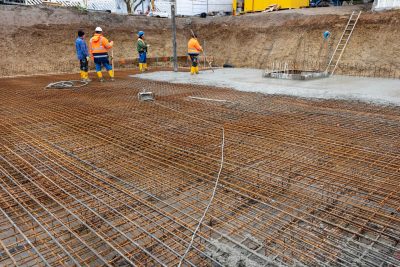
Checking commercial foundations is crucial for keeping buildings safe and stable. It involves examining the foundation’s state, materials, and strength to find issues. Professional engineers or certified inspectors use special methods and tools to ensure it all follows building codes.
Common Issues and Challenges
Engineers deal with unstable soil when building foundations for businesses. If they don’t fix this issue, it can cause poor foundation work. They know weak foundations can lead to big problems, so they focus on solving any unexpected issues quickly. Their main aim is to make sure the foundation is strong from the beginning.
Assessment Techniques
Engineers use cool methods like ground-penetrating radar to check a building’s foundation without digging. This tech and other tools help keep buildings safe and strong. They recommend regular checks to find and fix problems early, ensuring the building lasts a long time.
Importance of Routine Inspections
Regular inspections help find and fix building problems early. Engineers team up with local and private inspectors to do these checks, which helps commercial buildings last longer. Working together, they make sure buildings are safe and meet codes. Teamwork is key to maintaining safety.
Get In Contact With Your Local Authority Building Inspector With Big Easy Concrete!
Engineering is crucial for building strong structures. It focuses on solid design, foundations, and environmental considerations for safer, lasting buildings. Engineers use science and strategy to address challenges, creating innovative constructions.
Want a property upgrade? Big Easy Concrete specializes in durable concrete projects like driveways and patios. Enhance your space with us for a stronger, better-looking property! Give us a call today, and let’s bring your project to life together.